
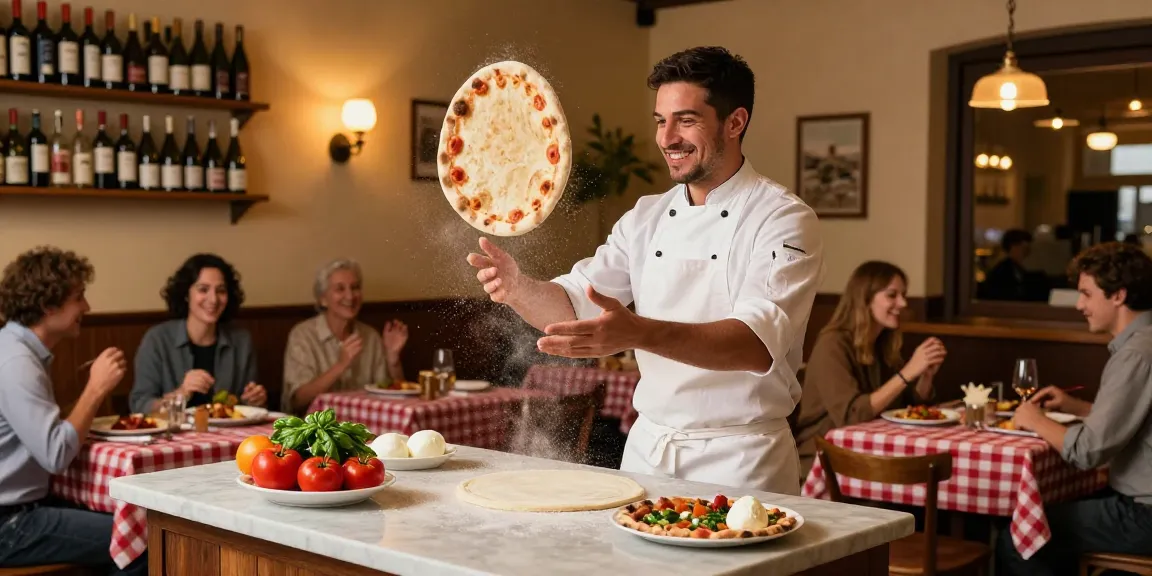
Understanding pg soft: The Key to Authentic Italian Cuisine
Italian cuisine is renowned for its rich flavors, use of fresh ingredients, and deep-rooted traditions. One of the essential components that contribute to the authenticity of Italian dishes is the concept of pg soft. This term encapsulates the philosophy behind selecting high-quality, often artisanal ingredients that enhance the overall dining experience. From traditional family recipes to innovative culinary techniques, understanding pg soft is key to appreciating why Italian cuisine captivates food lovers around the globe.
What is pg soft?
Pg soft represents a culinary approach that emphasizes the use of authentic, high-quality ingredients in meal preparation. This includes everything from the type of flour used in pizza dough to the variety of tomatoes in sauces. As a concept, it rejects the notion of compromise when it comes to flavor and quality, ensuring that every dish served reflects the true essence of Italian gastronomy.
Importance of Authentic Ingredients
The heart of Italian cuisine lies in its ingredients. Authenticity plays a crucial role, with fresh produce, quality meats, and traditional cheeses elevating dishes to an extraordinary level. The use of locally sourced and organic ingredients not only enhances taste but also supports sustainable practices. At Pizzeria Madera, for instance, only the finest Italian ingredients are selected to ensure each bite resonates with authenticity.
Regional Variations in Italian Cooking
Italy’s diverse geography influences its culinary traditions significantly. From the rich, creamy sauces of Northern Italy to the light, tomato-based dishes of the South, each region boasts unique flavors and cooking methods. Understanding these variations is integral to grasping the full spectrum of Italian cuisine, making it not just a meal, but an experience rich with cultural heritage.
The Antipasti: A Traditional Start
Antipasti, or appetizers, are a fundamental part of Italian dining, serving as a delightful introduction to a meal. These dishes are characterized by their variety, showcasing the richness of Italian ingredients. From cured meats to marinated vegetables, antipasti sets the tone for the dining experience ahead.
Classic Antipasti Ingredients
Typical ingredients for antipasti include:
- Prosciutto and other cured meats
- Marinated olives
- Roasted red peppers
- Artichoke hearts
- Fresh mozzarella
- Bruschetta with various toppings
Combining these ingredients creates a vibrant platter that highlights the essence of Italian flavors and traditions.
Pairing Antipasti with Beverages
Choosing the right beverage to accompany antipasti can enhance the overall experience. Light-bodied wines such as Prosecco or Pinot Grigio pair perfectly, while a selection of Italian craft beers can also complement the flavors. Understanding these pairings not only enriches the meal but also offers a deeper appreciation of Italian dining customs.
Antipasti Presentation Techniques
The visual appeal of antipasti can elevate the dining experience. Arranging a colorful spread on a wooden board or sharing platter invites guests to indulge in a communal dining experience. Use fresh herbs and edible flowers for garnish to add an artistic touch that reflects the care and attention put into the preparation.
Exploring Pasta: The Heart of Italian Dining
Pasta is undoubtedly the cornerstone of Italian cuisine, celebrated for its versatility and comforting qualities. The preparation of pasta can vary, offering a plethora of shapes and sauces that cater to various palates.
Types of Pasta and Their Origins
Italian pasta comes in various forms, each with its own unique history and usage. Some prominent types include:
- Spaghetti – long, thin strands popular with tomato or oil-based sauces
- Penne – tubular pasta perfect for hearty sauces
- Fettuccine – flat and wide, often served with creamy sauces
- Ravioli – stuffed pasta that can be filled with a variety of ingredients
Each type has a story, often tied to its region of origin, revealing how local ingredients influence the final dish.
Homemade Pasta vs. Store-Bought
Homemade pasta is a labor of love that rewards with incredibly fresh texture and flavor. While store-bought options offer convenience, they cannot replicate the nuances achieved with hand-rolled dough. For the best results, practice makes perfect—investing time in mastering pasta-making techniques can transform your culinary endeavors.
Popular Pasta Dishes to Try
Some must-try pasta dishes include:
- Spaghetti Aglio e Olio – a simple yet flavorful combination of garlic and olive oil
- Lasagna – layered pasta with rich ragù, béchamel, and cheeses
- Carbonara – a creamy and savory dish made with egg, cheese, and pancetta
- Pesto Genovese – fresh basil, garlic, and pine nuts blended into a vibrant sauce
These dishes exemplify the delightful variety and flavors that pasta can offer, making it a staple in Italian cuisine.
Pizza: The Quintessential Italian Experience
Pizza is perhaps the most iconic representation of Italian cuisine, beloved worldwide for its delectable flavors and endless topping combinations. Mastering the art of pizza-making involves understanding dough, sauce, and the balance of toppings.
The Art of Pizza Dough Making
The foundation of any great pizza is its dough. Traditional Neapolitan pizza requires a simple mixture of flour, water, salt, and yeast, allowing it to rise naturally. The key is in the kneading and fermentation process, which develop the dough’s flavor and texture.
Essential Toppings for Authentic Flavor
When it comes to pizza toppings, quality reigns supreme. Authentic Italian pizza often features:
- San Marzano tomatoes – known for their sweetness and low acidity
- Fresh mozzarella – creamy and rich, it melts beautifully
- Fresh basil – adds aromatic freshness
- Extra virgin olive oil – enhances flavor and provides richness
Choosing the right toppings can transform a simple pizza into a culinary masterpiece.
Best Practices for Baking Pizza at Home
For those looking to replicate pizzeria-level pizza at home, a few tips can help achieve success:
- Use a pizza stone or steel to mimic a wood-fired oven’s heat.
- Preheat your oven to the highest temperature possible.
- Stretch the dough by hand instead of rolling it out to retain air bubbles.
- Keep toppings minimal to allow the base flavors to shine.
By focusing on technique and quality ingredients, home cooks can elevate their pizza game significantly.
Wine and Dessert Pairings: The Perfect Finish
A well-planned meal concludes with the right wine and dessert pairing, rounding out the Italian dining experience beautifully. Italian wines offer a spectrum of flavors that can perfectly complement different dishes.
Choosing the Right Wine for Your Meal
When it comes to pairing wine with your meal, consider both the dish and the wine’s characteristics. For example:
- Pair a robust Chianti with hearty pasta dishes.
- Match a light Pinot Grigio with seafood or lighter fare.
- A sweet Vin Santo pairs beautifully with desserts like cantucci.
Learning these combinations can elevate your dining experience and impress your guests.
Classic Italian Desserts You Can’t Miss
Italian desserts are as diverse as the cuisine itself, with some classics that should never be overlooked:
- Tiramisu – a coffee-flavored delight made with mascarpone and ladyfingers
- Panna Cotta – a creamy custard that can be flavored with vanilla or fruit
- Cannoli – crispy pastry shells filled with sweet ricotta filling
These desserts not only round out the meal but also provide a sweet glimpse into Italy’s culinary artistry.
Creating a Balanced Dessert Experience
To create a truly balanced dessert experience, consider both flavors and textures. Combining creamy desserts with crispy components, or pairing sweet with slightly bitter elements, can enhance the overall tasting experience. Aim for harmony on the plate as well as in the palate for a fulfilling conclusion to your Italian meal.
What makes Italian cuisine unique?
Italian cuisine’s uniqueness stems from its emphasis on quality ingredients, regional diversity, and time-honored traditions. This blending of practices creates a culinary landscape that celebrates flavor and simplicity.
How to achieve authentic flavors at home?
Achieving authentic Italian flavors at home revolves around the selection of quality ingredients and attention to detail in preparation. Following traditional recipes and techniques will help recreate the essence of Italy in your kitchen.
What are the must-try dishes at Pizzeria Madera?
Pizzeria Madera offers a carefully curated menu featuring classic Italian dishes. From their hand-stretched pizza to freshly made pasta, each dish is crafted with dedication to authenticity and flavor.
How can I pair wine with my meal?
Pairing wine with your meal involves considering the protein and sauce of the dish. Seeking guidance on flavor profiles will aid in making selections that enhance your dining experience.
What are the best practices for making pizza?
Mastering pizza-making revolves around understanding dough preparation, choosing quality toppings, and baking techniques. Experimentation and practice are key to developing your personal pizza style.

