
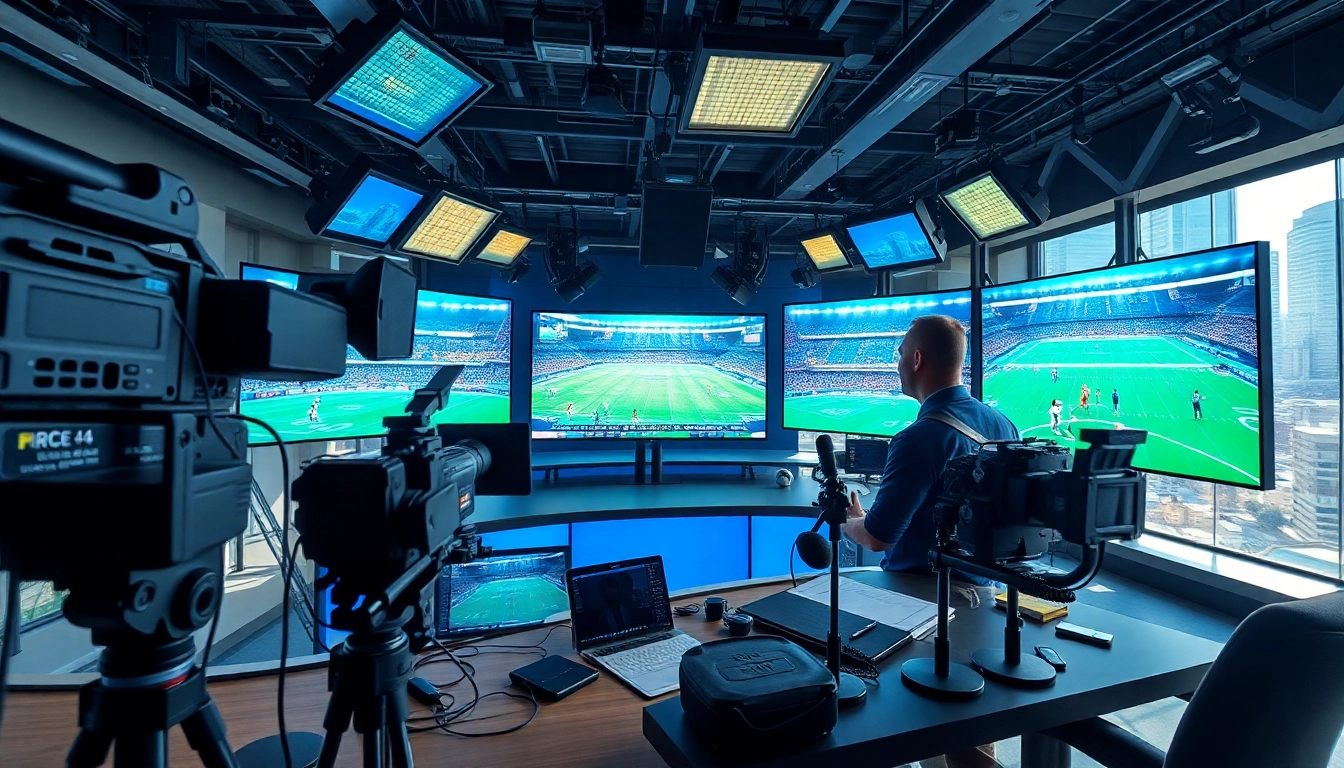
Understanding Sports Broadcasting
Sports Broadcasting has evolved significantly over the last few decades, changing how fans engage with their favorite sports. Today, the industry embraces traditional television networks, cutting-edge streaming services, and mobile platforms, offering unprecedented access to sports events worldwide. From the technological advancements in broadcasting to the evolving viewer preferences, understanding Sports Broadcasting is essential for stakeholders in the industry.
The Evolution of Sports Broadcasting
Sports broadcasting traces its roots back to radio transmissions in the early 20th century. As technology advanced, the medium evolved from radio to television, revolutionizing how audiences consumed live sports. The 1950s marked a significant turning point with the introduction of color broadcasting, enhancing viewer experience. The advent of satellite broadcasting in the 1980s further broadened the reach of sports programming, transitioning the industry towards a global phenomenon.
In recent years, streaming services have disrupted traditional broadcasting models. Platforms like Netflix and Amazon Prime are no longer just for movies; they’ve stepped into the sports arena, changing how content is distributed. This evolution reflects a broader trend of on-demand viewing, enabling fans to watch sports on their terms — anytime, anywhere.
Key Components of Sports Broadcasting
Several components are essential in the sports broadcasting ecosystem:
- Production: High-quality audio, video, and real-time graphics are crucial for enhancing viewer engagement. This includes everything from camera angles to replay technology.
- Commentary: Commentators and analysts play a key role in interpreting the events on-screen, providing context, and enhancing the narrative around the sports being broadcasted.
- Rights Management: Securing broadcasting rights is pivotal. Broadcasters must navigate a complex landscape of licensing agreements to ensure legal access to sports content.
- Distribution: Broadcasting is no longer confined to traditional outlets. Digital platforms and social media channels are rapidly gaining importance, enabling direct interaction with audiences.
Technological Advancements Shaping Sports Broadcasting
Innovations in technology have fundamentally transformed sports broadcasting. High-definition (HD) and 4K broadcasts provide a stunning visual experience, while immersive technologies like augmented reality (AR) and virtual reality (VR) are creating new avenues for viewer engagement. These technologies enhance storytelling, allowing fans to feel present at the events.
Moreover, automated production technologies are gaining traction. AI-driven tools can manage camera angles and even deliver real-time statistics, allowing broadcasters to enhance production quality without a significant increase in resources. These advancements not only improve the viewer experience but also streamline production processes in significant ways.
Popular Sports Broadcasting Formats
Television vs. Streaming Sports Broadcasting
Television remains a dominant force in sports broadcasting, but the rise of streaming platforms has sparked a paradigm shift. Traditional networks offer comprehensive coverage, including pre-game and post-game analysis, but streaming services provide flexibility that many viewers crave. Several factors differentiate these formats:
- Accessibility: Streaming platforms often allow for global access, enabling fans around the world to catch games that might not be available on local channels.
- Interactivity: Streaming services often incorporate features like multi-camera views and interactive statistics that enhance the viewing experience.
- Subscription Models: Many viewers prefer the subscription-based model of streaming, allowing them to avoid commercials and choose content on demand.
Live Sports Broadcasting: A Growing Demand
Live sports broadcasting continues to be a cash cow for networks and streaming platforms alike. Viewers are increasingly seeking live experiences, driving up the demand for real-time content. This shift is bolstered by social media, where live updates and highlights circulate rapidly, creating a buzz around games and events.
Furthermore, live sports events engender a sense of community among viewers. Whether watching together in stadiums or at home with friends, the shared experience of live sports creates a unique bond that recorded content cannot replicate, solidifying its popularity.
Highlight Shows and Their Impact on Audiences
Highlight shows play a crucial role in sports broadcasting. They condense the most exhilarating moments of matches into digestible segments, appealing to fans with time constraints. These programs amplify engagement by allowing fans to stay updated without watching full games.
Moreover, highlights serve an essential marketing role, driving traffic to full games and increasing viewership. The rise of social media has transformed highlights into shareable content, amplifying their reach and creating viral moments that resonate with wider audiences.
Optimizing Audience Engagement in Sports Broadcasting
Effective Communication Techniques in Sports Broadcasting
Effective communication is vital in sports broadcasting. Commentators must convey information succinctly while also engaging viewers with compelling narratives. Developing a rapport with the audience can significantly enhance viewer loyalty and satisfaction. Strategies include:
- Personalization: Tailoring commentary styles to resonate with specific audience demographics can create a more relatable experience.
- Storytelling: Weaving captivating stories into broadcasts, whether through player backgrounds or critical game moments, can draw viewers in and keep them watching.
- Emotional Appeal: Engaging viewers on an emotional level can foster connection and investment in the narrative outcomes.
Utilizing Social Media for Enhanced Engagement
Social media has become a cornerstone of audience engagement in sports broadcasting. It provides platforms for real-time fan interaction, allowing networks to build communities around sports events. Engagement strategies include:
- Live-Tweeting Events: Providing live updates and highlights enhances the excitement around ongoing games.
- User-Generated Content: Encouraging fans to contribute their own highlights and commentary increases community involvement and brand loyalty.
- Contests and Polls: Interactive elements such as contests for predicting game outcomes can incentivize participation and engagement.
Creating Interactive Experiences for Viewers
Interactive experiences are vital for keeping audiences engaged. Tools and platforms that encourage viewer participation, such as polls during broadcasts, enhance the entertainment value. Other techniques include:
- Second Screen Experiences: Apps or websites that provide complementary content during live broadcasts increase viewer retention.
- Augmented Reality Features: Utilizing AR can enrich the viewing experience by overlaying stats or visualizations directly on the broadcast.
Challenges in Sports Broadcasting
Navigating Rights and Regulations in Sports Broadcasting
Securing rights to broadcast sporting events presents one of the most significant challenges for broadcasters. This often involves complex negotiations and navigating various regulations. Broadcasters must stay informed about changes in legislation governing broadcasting rights and adapt strategies accordingly.
Additionally, competition for exclusive content can lead to bidding wars, impacting profitability. Finding innovative ways to monetize broadcasts, such as collaborations with sponsors or engaging ways to integrate ads, becomes critical.
Technical Issues and Their Solutions
No broadcast is without potential technical hiccups. Issues such as equipment failures or connectivity problems can significantly disrupt the viewer experience. To mitigate this risk, broadcasters should:
- Regular Maintenance: Implement routine checks and maintenance on equipment to prevent unexpected failures.
- Redundancy Systems: Employ backup systems for critical components, ensuring a smooth transition if primary systems fail.
- Training Programs: Offer comprehensive training for staff to handle emergencies efficiently and minimize downtime during broadcasts.
Audience Measurement and Performance Evaluation
Understanding audience measurement is critical for broadcasters to evaluate the effectiveness of their programming. Metrics such as viewership ratings, engagement levels, and ad performance provide insights into viewer preferences and trends. This data can inform strategic decisions, helping networks refine their offerings.
Broadcasters should leverage advanced analytics tools to gain detailed insights. Continuous performance evaluations can guide programming adjustments, ensuring that content remains relevant and appealing to viewership.
Future Trends of Sports Broadcasting
Impact of 5G on Sports Broadcasting
The rollout of 5G technology is poised to revolutionize sports broadcasting. Its high-speed capabilities enable near-instantaneous data transmission, enhancing the live viewing experience. For example, 5G can improve the quality of live streaming, reduce latency, and support more devices simultaneously.
Moreover, 5G facilitates advanced integration of AR and VR, allowing fans to engage with games in immersive ways. The enhanced interconnectivity empowers broadcasters to provide richer content and more interactive viewer experiences.
Artificial Intelligence in Sports Broadcasting
Artificial Intelligence (AI) is making significant strides in sports broadcasting. From automated editing to enhanced viewer engagement strategies, AI technologies are streamlining many aspects of broadcasting. AI-driven analytics can provide broadcasters with actionable insights regarding viewer preferences and behaviors.
Machine learning algorithms are improving personalized content recommendations, ensuring that viewers receive tailored suggestions based on their viewing habits. Furthermore, AI can enhance commentary by analyzing plays and player statistics in real-time, providing richer insights during broadcasts.
Looking Ahead: The Next Decade of Sports Broadcasting
The future of sports broadcasting looks poised for even more innovations. Continuing developments in technology, such as enhanced real-time statistics and multi-sensory experiences, promise to enrich the viewer experience further. As audiences continue to evolve, the industry will need to adapt its strategies to meet changing expectations.
Furthermore, integrating sustainability into broadcasting practices may become a critical focus area, reflecting broader societal trends towards responsible business practices. By embracing technological advances and prioritizing audience-centric strategies, the future of sports broadcasting can flourish.
Frequently Asked Questions
What is sports broadcasting?
Sports broadcasting involves the production and transmission of sports events through various media, including television, radio, and streaming platforms, allowing audiences to watch live or recorded events.
How has technology changed sports broadcasting?
Technology has enhanced sports broadcasting through HD and 4K visuals, live streaming, and interactive elements like augmented reality, leading to improved viewer engagement and experience.
What roles do commentators play in sports broadcasting?
Commentators provide live narration, analysis, and storytelling during broadcasts, enriching the viewer's understanding and enjoyment of the sporting event.
How important is audience measurement in broadcasting?
Audience measurement is crucial for broadcasters to evaluate programming effectiveness and viewer engagement, guiding strategies and content adjustments to attract and retain viewers.
What trends should we expect in the future of sports broadcasting?
Future trends in sports broadcasting will likely include advancements from 5G technology, AI integration for personalized content, and increased focus on interactive and immersive viewer experiences.